Optimal Sleeping Positions in a Tent: Rest Like a Pro Outdoors

Chosen theme: Optimal Sleeping Positions in a Tent. Discover how small adjustments in posture, pad setup, and tent orientation can transform rough nights into restorative sleep. Share your favorite tent-sleep trick and subscribe for fresh backcountry sleep insights.

Body Alignment Basics for the Backcountry

Side-sleepers often rest best by keeping the neck neutral with a medium-height pillow and placing a soft jacket between the knees. I learned this after a windy alpine bivy where a knee pillow instantly quieted nagging hip pressure.

Body Alignment Basics for the Backcountry

Back-sleepers typically benefit from a small stuff sack under the knees to reduce lumbar strain. This tiny shift spreads pressure, encourages steady breathing, and helped me stop fidgeting on a frosty shoulder season night above treeline.
Site Selection and Tent Orientation

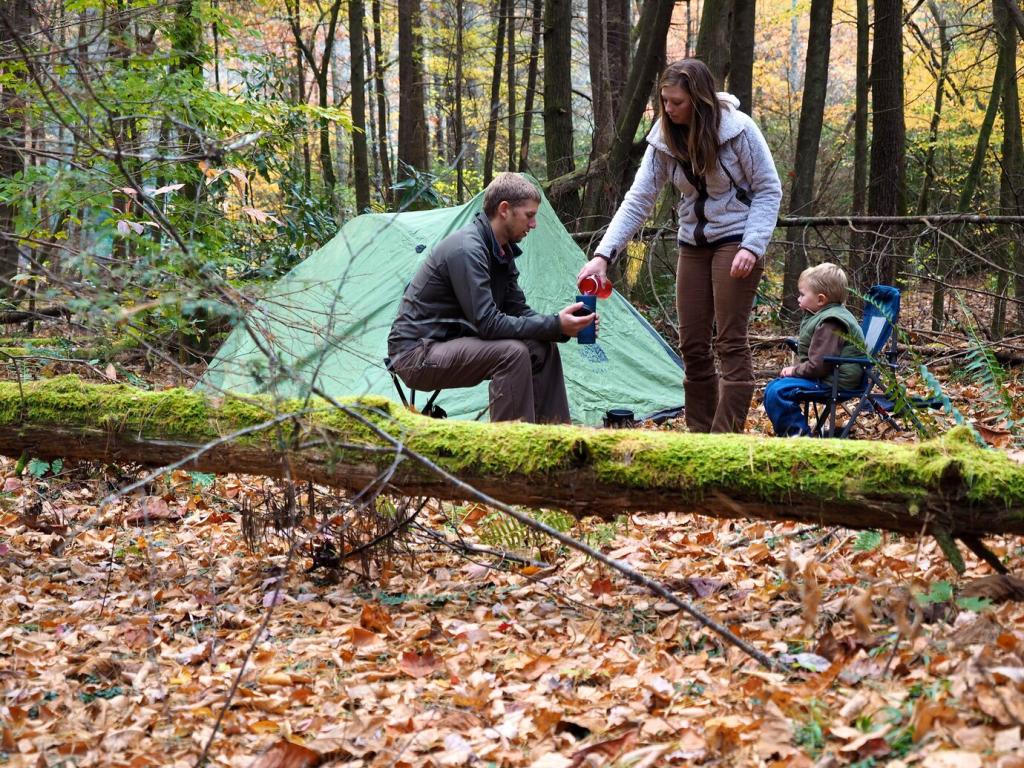
Aim for a gentle incline with your head slightly uphill to prevent blood rushing and sliding. After one rainy camp, I flipped at midnight and instantly felt my sinuses and lower back relax on that subtle, almost invisible slope.
Low basins trap cold air and flap-prone saddles funnel wind. Favor mid-slope benches with natural windbreaks. Position your head away from door gaps and vents that channel drafts directly across your face on unexpectedly gusty nights.
Before unrolling your pad, sweep pinecones, micro-roots, and hidden pebbles. If slope remains, dig a small heel pocket for stability. I use a water bottle roll test to detect subtle tilt—share your micro-slope hacks with the community.
Pad width and firmness
Side-sleepers often prefer thicker pads with solid edge support to cradle shoulders and hips, slightly underinflated for contour. Back-sleepers may like firmer support for even pressure. A one-breath deflate can turn pressure points into cushiony bliss.
Pillow height and improvisation
Fine-tune pillow height to your position: taller for side-sleepers, medium for back-sleepers, minimal for stomach-sleepers. A folded fleece, inflatable at half-fill, or dry bag of clothes can nail comfort. Comment with your favorite field-made pillow.
Sleeping bag fit and zipper placements
A too-tight mummy can fight side-sleepers; look for roomier cuts or quilts with adjustable straps. Keep zippers accessible but not under you. I rotate the zipper away from the ground to stop snags and midnight temperature juggling.

Temperature, Moisture, and Breathing

Sleeping with your face angled toward a vent encourages fresh airflow and reduces hood dampness. Side-sleepers can rotate slightly toward the vent while shielding eyes with a beanie. Try adjusting storm flaps and report how your bag hood dries by sunrise.

Sharing a Tent Without Losing Sleep

Alternate head-foot orientation to create shoulder space and reduce face-to-face drafts. On a narrow two-person tent with a dog, this arrangement stopped jostling and let my side-sleeping partner turn freely without bumping my pillow every hour.

Sharing a Tent Without Losing Sleep

On cold nights, spooning shares heat efficiently for side-sleepers. Use coupled pads or a quilt to seal gaps, with a soft boundary like a seam line. Balance closeness and movement, and tell us your best partner setup for shoulder seasons.

Morning Reset: Recover from the Night

Start with a gentle spinal twist, then a hip flexor stretch and shoulder thread-the-needle, all doable inside most tents. Sip warm water, notice how pressure points feel, and note adjustments to test on tonight’s campsite for steadier comfort.

Morning Reset: Recover from the Night

Bring one knee to chest, switch sides, add ankle circles, and take five slow diaphragmatic breaths. I track energy in a small log, and better back support reliably correlates with stronger mornings on climbs and fewer pack-strap hot spots.
Fragiletraining
Privacy Overview

This website uses cookies so that we can provide you with the best user experience possible. Cookie information is stored in your browser and performs functions such as recognising you when you return to our website and helping our team to understand which sections of the website you find most interesting and useful.